Are poker tournaments the ultimate test of skill in today’s game?
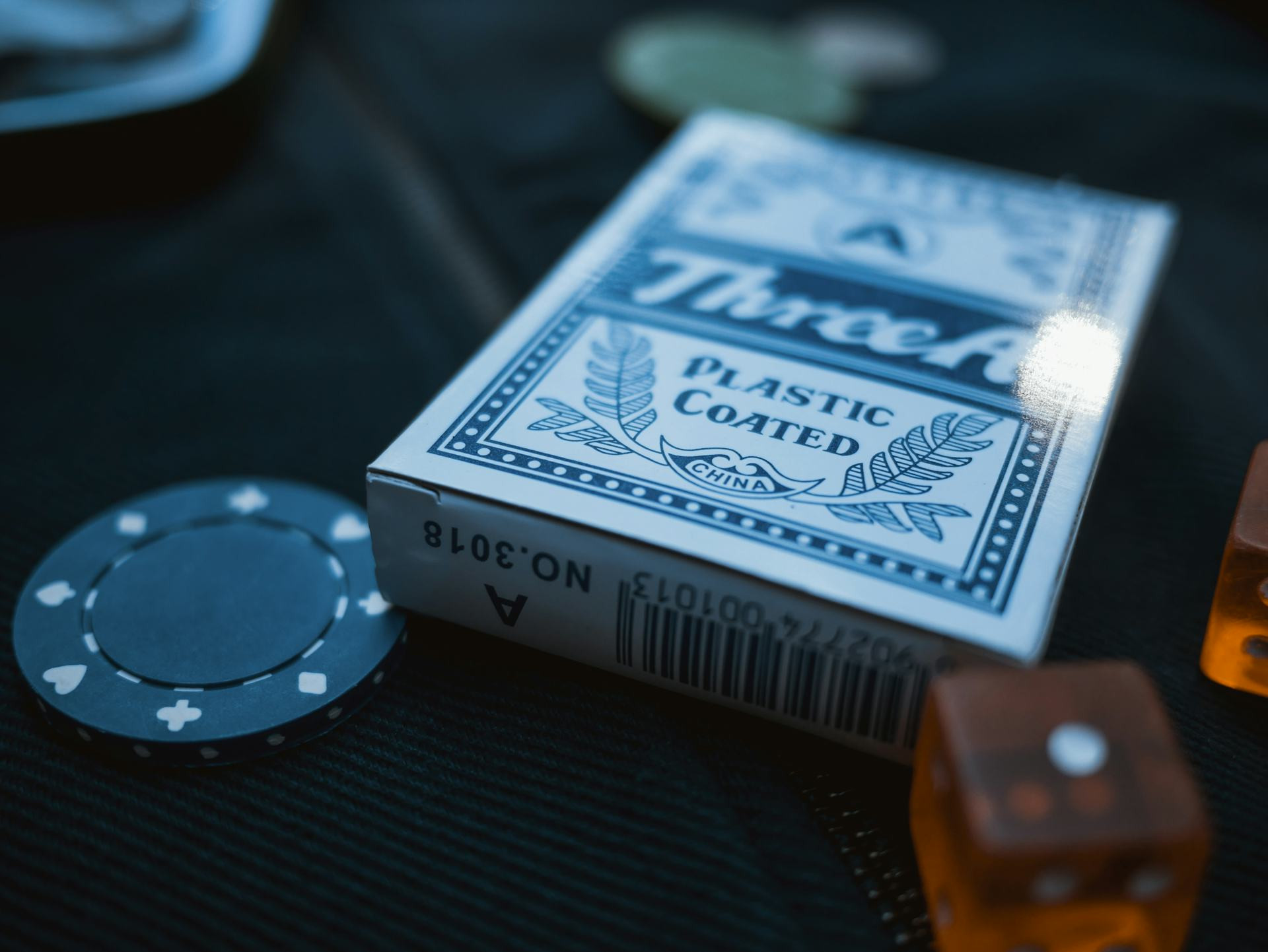
Are poker tournaments the ultimate test of skill in today’s game?
In the world of poker, tournaments have become a popular and competitive forum for players to showcase their skills. With the rise of online gaming and televised events, the appeal of these contests has skyrocketed. But the question remains: Are poker tournaments the ultimate test of skill in today’s game? Let’s explore this intriguing query.
The Structure of Poker Tournaments
Poker tournaments typically involve a defined structure that challenges players to navigate various stages. From the initial phases to the final table, players must adapt to changing chip counts, blind levels, and opponents strategies. Unlike cash games, where one can buy in for an unlimited amount, tournaments require players to strategize within fixed starting chips.
This structure tests not only technical skills but also psychological resilience. As players advance, they face mounting pressure, creating an environment where both skill and mental fortitude come into play.
Skill Versus Luck: Finding the Balance
One of the most debated topics in poker is the balance between skill and luck. In tournament settings, luck can play a role in determining short-term outcomes due to the variance in the cards dealt. However, seasoned players often argue that skill reigns supreme over the long haul.
Skillful players can leverage their knowledge of game theory and opponent tendencies to make more informed decisions. They recognize patterns and adjust their strategies accordingly, which typically leads to better results over multiple tournaments. Therefore, while luck may have a fleeting impact, skill tends to shape the trajectory of a players career.
The Importance of Adaptability
In a tournament, players encounter a variety of opponents, each with unique styles and strategies. This constant flux demands adaptability. A player who excels in a cash game may not experience the same success in a tournament environment.
Being able to read opponents and switch strategies is essential. For instance, a player may need to tighten their range as blinds increase or adjust their play when facing aggressive opponents. This adaptability showcases a player’s depth of skill and ability to thrive under varying conditions.
Psychological Aspects of Tournament Play
The psychological component of poker tournaments cannot be overlooked. The pressure of elimination and the stakes involved can lead to significant stress. Successful players possess not just poker knowledge but a mastery over their emotions.
Maintaining composure during critical moments can differentiate a winner from a mere participant. The ability to handle ‘bad beats’ without going on tilt or making impulsive decisions speaks volumes about a player’s skill set.
Longevity in Tournaments: A Test of Commitment
While individual skill is imperative, longevity in poker tournaments is also a test of commitment. Many players may excel in shorter formats but struggle with the endurance tests of multi-day events. Maintaining focus over extended periods is both mentally and physically demanding.
Players often exert substantial effort in preparation, studying opponents, and practicing strategy. Those who excel tend to commit a significant amount of time to honing their skills, attending training sessions, and engaging in discussions with fellow players.
The View from the Top: Insights from Professionals
Many professional poker players assert that tournaments are indeed the ultimate test of skill. They highlight that the intricate dynamics and evolving nature of the game strip away flaws in a player’s strategy. In a tournament, poor decision-making can lead to swift elimination.
Moreover, professionals often point to the need for a comprehensive understanding of various aspects of poker, from hand selection to chip management. This holistic grasp of poker dynamics is what ultimately elevates their game in tournament settings.
Final Thoughts
Poker tournaments present a unique set of challenges that elevate them beyond cash games. With their structured play, the balance of skill and luck, requirement for adaptability, and significant psychological components, they indeed serve as a strict test of a player’s abilities. As the landscape of poker continues to evolve, the question of whether tournaments truly encapsulate the essence of poker skill remains a topic of lively discussion.


