Bingo and Charity: A Historical Connection


Bingo and Charity: A Historical Connection
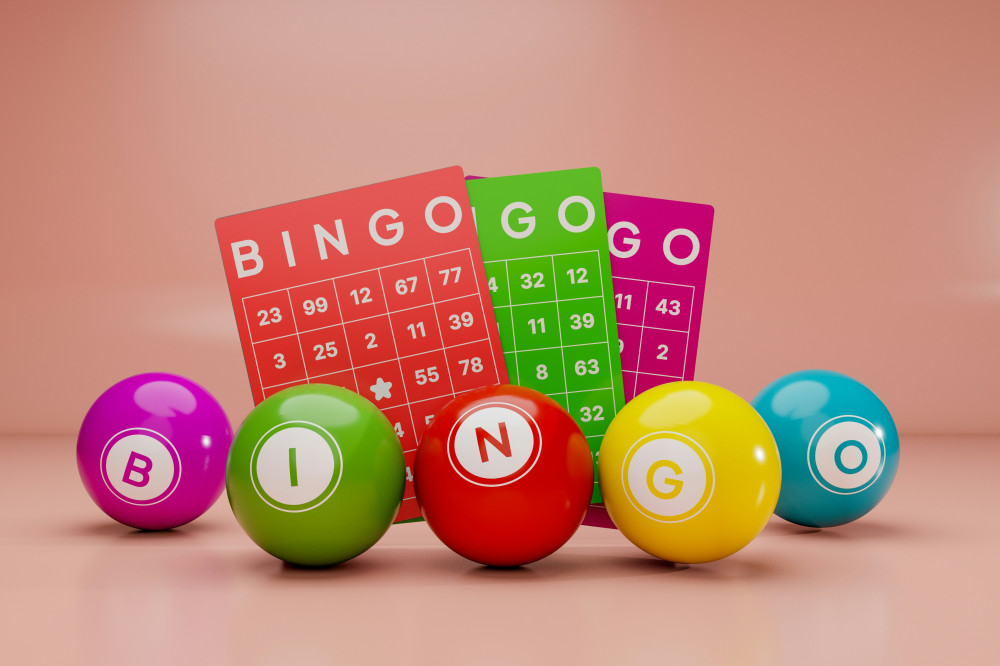
When New Zealanders think of bingo today, they might picture community halls, retirement villages, or online games played for fun and fundraising. Yet behind the cheerful calls of numbers and the thrill of a full card lies a long tradition that connects entertainment with generosity. Bingo has never been just a game – it has been a way to bring people together and to support causes that matter.
From Italian Lotteries to a Global Pastime
The story of bingo begins in 16th‑century Italy, where a lottery game called Lo Giuoco del Lotto d’Italia was enjoyed by both nobles and commoners. The game spread through Europe, reaching France and Germany, where it was used not only for amusement but also as a teaching tool to help children learn numbers and spelling.
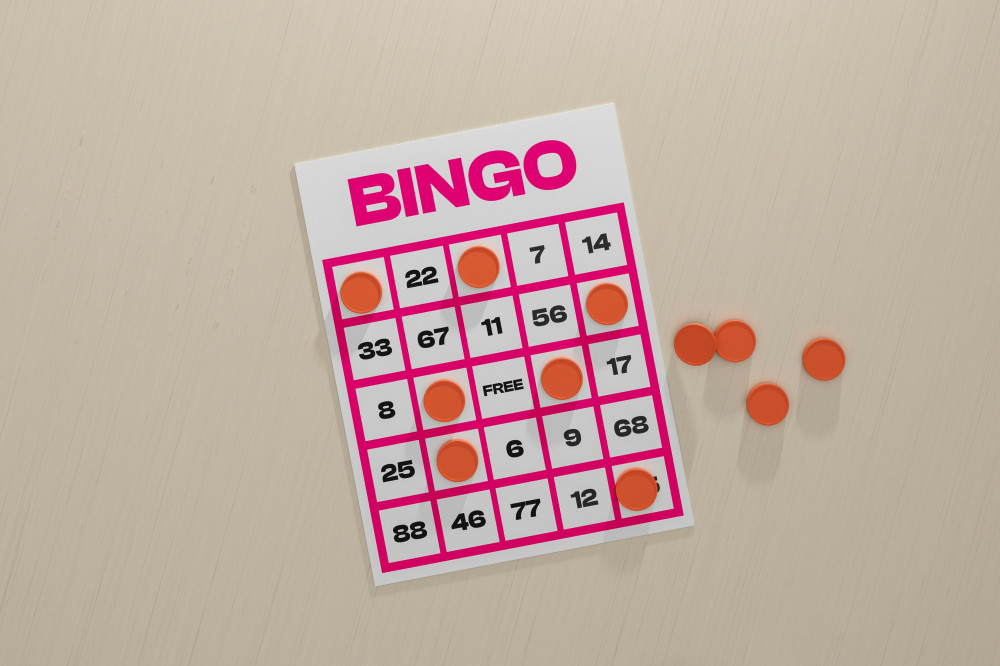
In the 1920s, the game took on its modern form in the United States. A travelling salesman named Edwin S. Lowe encountered a version of it at a fair in Georgia, where players shouted “Beano!” when they won. He adapted the game, renamed it “Bingo,” and it quickly became a sensation. Its simple rules, low cost, and social nature made it accessible to everyone.
Churches, Clubs, and Community Causes
By the 1930s, American churches and community groups had discovered bingo’s potential as a fundraiser. It was an easy and enjoyable way to raise money for local projects, from repairing church roofs to supporting families in need. The idea spread across the English‑speaking world, including to New Zealand, where community halls and sports clubs soon adopted the game.
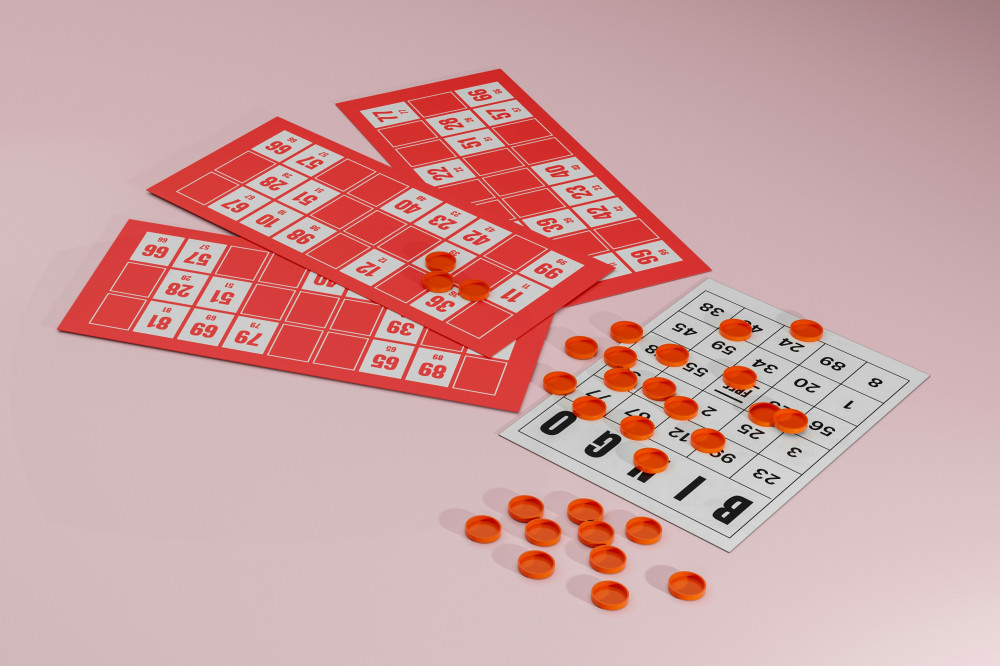
In Aotearoa, bingo nights became a familiar part of local life. Known in some places as “housie,” the game was often organised by schools, marae committees, and service clubs such as Lions or Rotary. Prizes might range from grocery hampers to cash, but the real reward was the sense of community and the knowledge that proceeds were helping local initiatives – from youth sports teams to hospice care.
A Social Gathering as Much as a Game
Beyond fundraising, bingo has always had a social heart. In small towns and suburbs across New Zealand, weekly housie nights have long provided a reason to gather, chat, and share a laugh. For many older players, these evenings are a highlight of the week – a chance to connect and feel part of something larger.
This social aspect has made bingo a natural fit for charitable work. Organisations such as the RSA, St John, and local volunteer groups have used bingo events to strengthen community ties while raising funds. The game’s friendly, inclusive atmosphere helps bridge generations and backgrounds, reinforcing the Kiwi spirit of looking out for one another.
Læs også:


From Hall Tables to Online Screens
Like many traditions, bingo has evolved with technology. Online bingo platforms and virtual fundraisers have become popular, especially during times when in‑person gatherings were limited. During the COVID‑19 lockdowns, many New Zealand charities hosted online bingo nights to keep communities connected and to continue raising money for good causes.
Today, digital versions of the game coexist with classic community events. Whether played in a local hall or on a smartphone, bingo still carries the same purpose: to combine fun with generosity.
A Tradition That Still Gives Back
The history of bingo shows how a simple game can make a lasting difference. From Italian lotteries to Kiwi community halls and online fundraisers, bingo has brought people together and supported countless charitable efforts.
So the next time someone calls out “Bingo!”, it’s more than just a cry of victory. It’s an echo of a long‑standing tradition – one that celebrates both the joy of play and the power of giving.
Læs også: