From Past to Present: Historical Games That Shaped Today’s Casino Rules

From Past to Present: Historical Games That Shaped Today’s Casino Rules
When you step into a modern casino in New Zealand—whether it’s a buzzing gaming floor in Auckland or an online platform licensed by the Department of Internal Affairs—you’re entering a world built on centuries of evolution. Behind the sleek digital interfaces and responsible gaming tools lies a long history of chance, strategy, and regulation. The rules that govern today’s casino games didn’t appear overnight; they are the result of cultural exchange, experimentation, and the ongoing effort to make gaming fair and transparent. Let’s explore how the past has shaped the casino experience we know today.
From Ancient Dice to the Birth of Chance
The story of gambling begins thousands of years ago. Archaeologists have found dice carved from bone in ancient Egypt and Mesopotamia, showing that humans have always been fascinated by luck and probability. The Romans, too, were avid gamblers, often betting on dice games despite strict laws against wagering. Interestingly, these early restrictions led to the first recorded attempts at gaming regulation—precursors to the licensing systems that now govern casinos in New Zealand and around the world.
The concept of randomness introduced by dice remains central to modern gaming. Whether you’re rolling virtual dice in a digital craps game or spinning a roulette wheel, the same ancient fascination with chance continues to drive the excitement.
Læs også:


The Journey of Playing Cards Across Continents
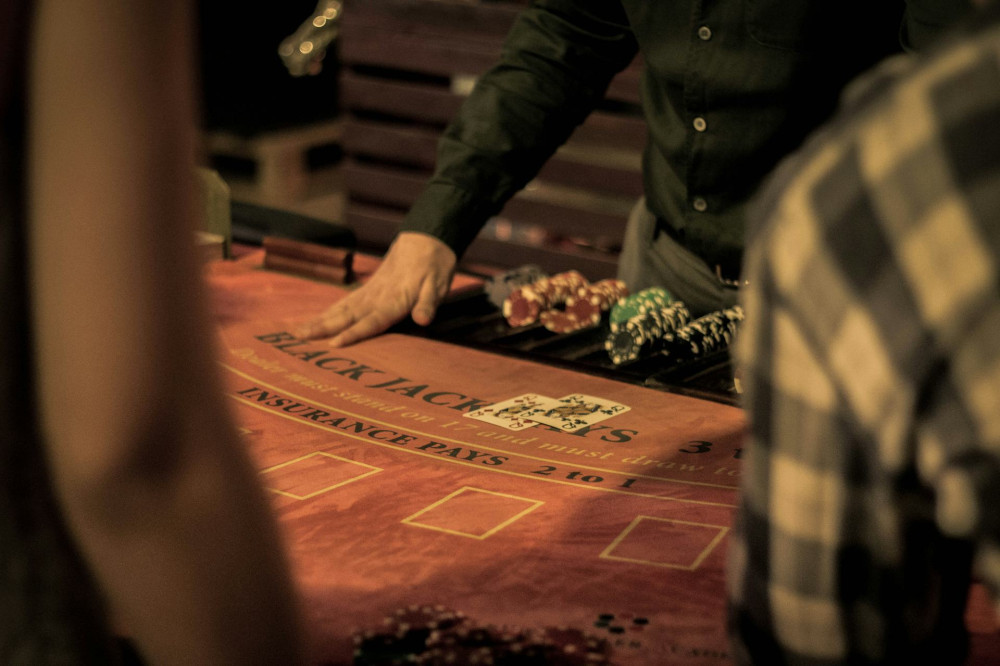
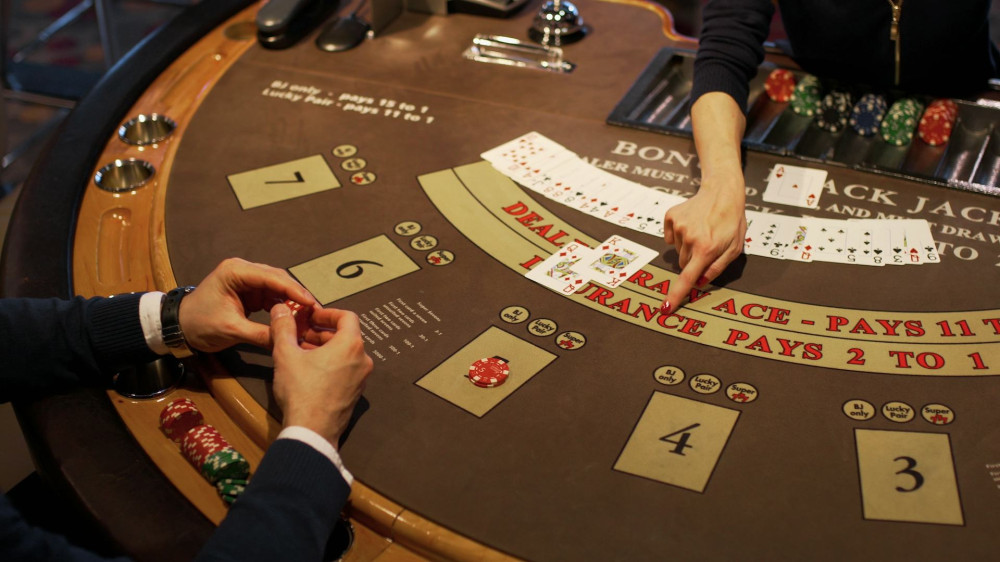
Playing cards arrived in Europe from Asia in the 14th century, and their spread transformed gaming culture. Early card games like baccarat and vingt-et-un (the ancestor of blackjack) became popular in French salons, where the first formal rules were written down. These rules—defining how dealers act, how bets are placed, and how winnings are paid—laid the foundation for the structured gameplay we see in casinos today.
When European settlers brought card games to new lands, including the Pacific, they carried these traditions with them. Over time, the rules evolved, but the principles of fairness and consistency remained. Today, when Kiwis play blackjack online, they’re following a rulebook that has been refined for over 200 years.
Roulette: Science Meets Chance
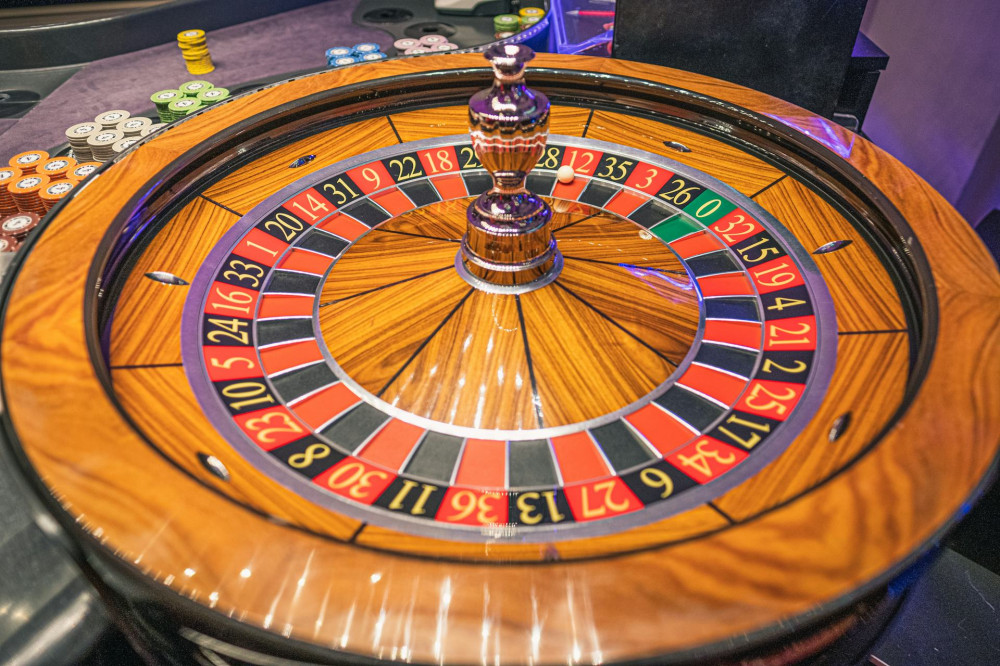
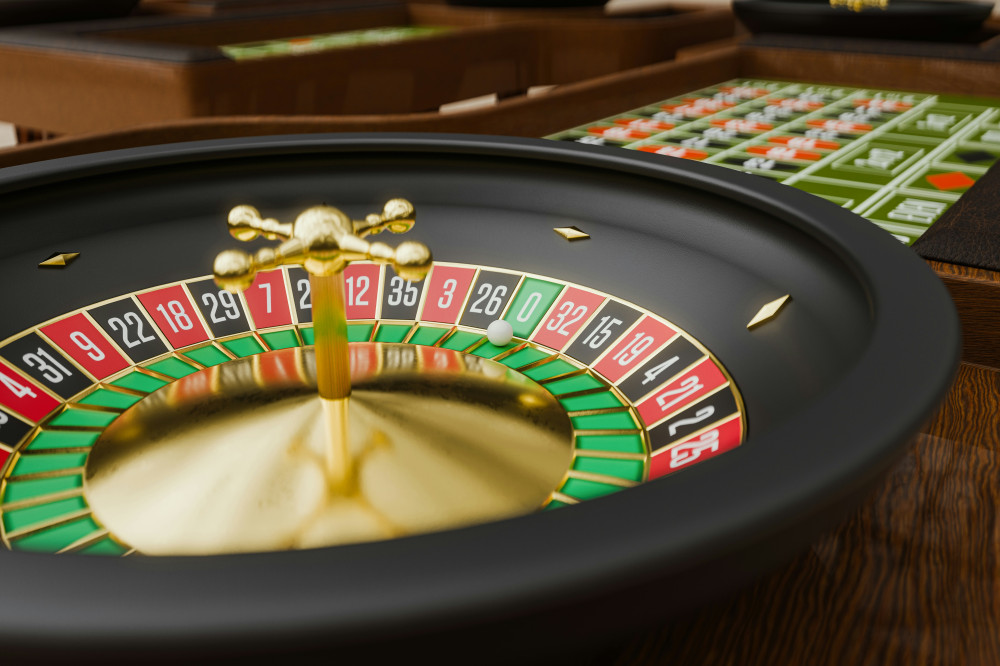
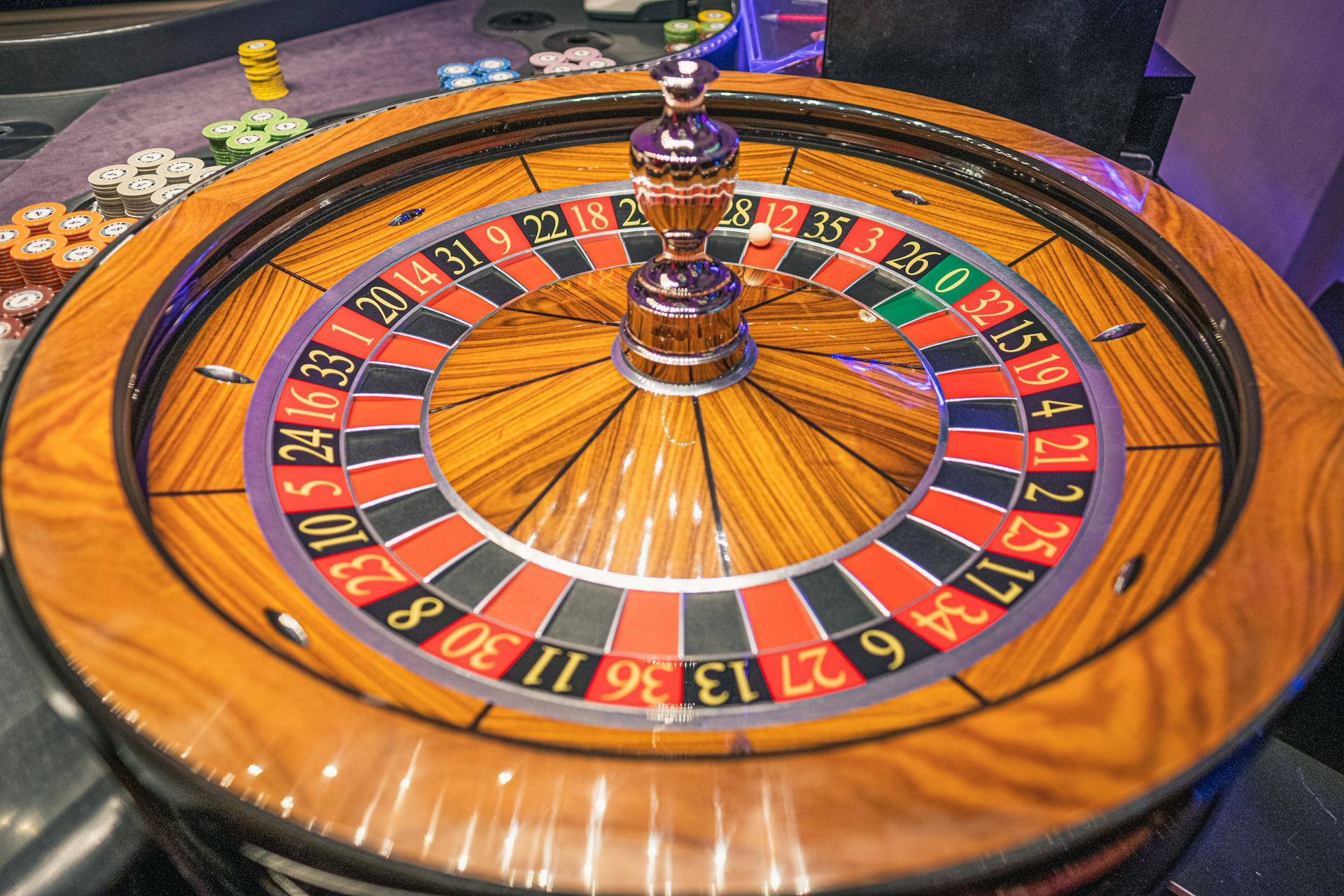
Roulette’s origins trace back to 17th-century France, where mathematician Blaise Pascal’s attempt to create a perpetual motion machine accidentally produced the first roulette wheel. By the 19th century, the game had been perfected by the Blanc brothers, who introduced the single-zero version still used in most casinos today.
Roulette quickly became a symbol of sophistication and risk, but it also demanded strict regulation. Standardised wheels, fixed payouts, and clear betting areas were introduced to prevent cheating and ensure fairness. These principles—transparency, consistency, and oversight—are still at the heart of casino regulation, including the rules enforced by New Zealand’s Gambling Commission.
Poker and the American Influence
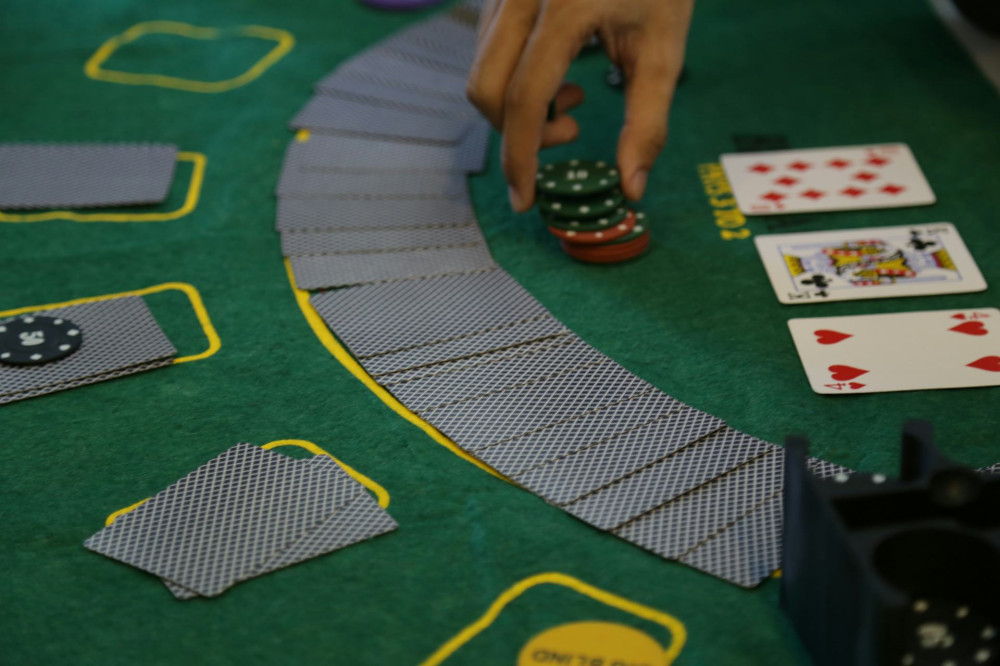
While Europe refined roulette and baccarat, poker emerged in 19th-century America. It spread along the Mississippi River and into frontier towns, where it became a favourite pastime among soldiers, sailors, and settlers. Early poker games were chaotic and often led to disputes, prompting the creation of standardised rules for hand rankings, betting rounds, and dealer responsibilities.
By the early 20th century, poker tournaments had formalised these rules, setting the stage for the global poker boom. Today, both live and online poker in New Zealand follow these same principles, with added layers of regulation to ensure fair play and responsible gaming.
From Prohibition to Regulation
The history of gambling is also a story of shifting social attitudes. For centuries, many governments banned gambling outright, associating it with vice and disorder. But as societies modernised, the focus shifted from prohibition to regulation. The idea was simple: people would gamble regardless, so it was better to create a safe, controlled environment.
This philosophy underpins New Zealand’s own approach. The Gambling Act 2003 established a framework that balances entertainment with harm prevention, ensuring that casinos operate transparently and contribute to community well-being. It’s a modern reflection of a centuries-old lesson: gaming thrives best when it’s guided by clear, fair rules.
Digital Casinos: Old Rules in a New World
The rise of online casinos has transformed how New Zealanders play, but the core principles remain the same. Random number generators replace dice, and digital dealers follow the same rules as their real-world counterparts. Licensing authorities ensure that games are fair, payouts are accurate, and players are protected.
Technology has also introduced new tools for responsible gaming—self-exclusion options, spending limits, and data-driven monitoring—all of which build on the historical evolution of regulation. In many ways, the digital age has simply taken the lessons of the past and applied them with greater precision.
A Reflection of Society
From ancient dice to online slots, the evolution of casino games mirrors the evolution of society itself. Each era has added new layers of structure, fairness, and accountability. The rules we follow today are not just about gameplay—they reflect our collective understanding of risk, responsibility, and enjoyment.
So the next time you place a bet, whether in a land-based casino or on your phone, remember: you’re participating in a tradition that stretches back thousands of years. The thrill of the game may be timeless, but the rules that shape it are the product of history, culture, and the enduring human desire to play fair.
Læs også: