Hot and Cold Numbers: Understanding Roulette Terminology


Hot and Cold Numbers: Understanding Roulette Terminology
Roulette is one of the most recognisable casino games in the world – a game where luck, chance, and a touch of mathematics meet in a single spin. For many players, it’s not just about betting on red or black, but about understanding the patterns and terms that surround the game. One of the most talked‑about concepts in roulette is “hot” and “cold” numbers – numbers that seem to appear more or less often than others. But what do these terms really mean, and can they actually help you play better?
What Are “Hot” and “Cold” Numbers?
When players talk about hot numbers, they’re referring to numbers that have been hit more frequently than average over a certain number of spins. Cold numbers, on the other hand, are those that haven’t come up for a while. Many casinos – both land‑based and online – display statistics showing the most recent 100 or 500 spins, highlighting which numbers are currently “hot” or “cold.”
These statistics can make the game more engaging, but it’s important to remember that roulette is, at its core, a game of pure chance. Each spin is independent of the last, and the probability of any given number being hit doesn’t change – no matter how “hot” or “cold” it appears.
Why Players Still Follow the Patterns
Even though mathematics tells us that every spin is independent, the human mind is wired to look for patterns. It’s part of our nature. That’s why many players use hot and cold numbers as a kind of informal strategy or simply as a way to make the game more exciting.
- The hot number approach is based on the idea that a number that’s been hit often is “on a roll” and might come up again soon.
- The cold number approach takes the opposite view: a number that hasn’t appeared for a long time is “due” to show up.
Both ideas are psychologically appealing, but statistically, they’re equally random. Still, they can add an extra layer of fun and anticipation to the game.
The Mathematics Behind the Wheel
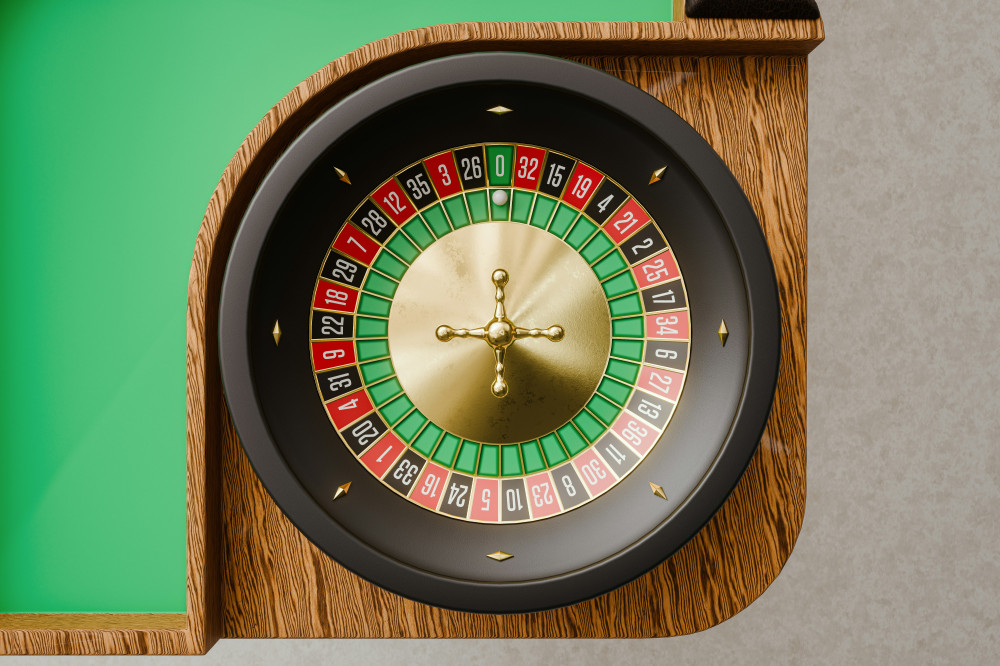
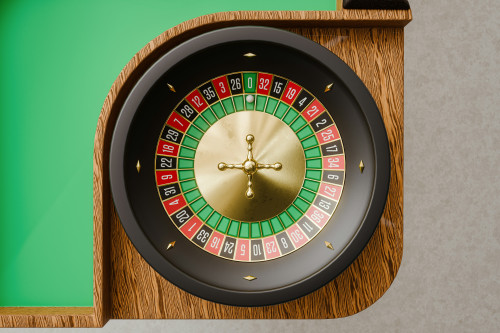
In European roulette, there are 37 pockets (numbers 0–36), which means the chance of hitting any specific number is 1 in 37 – about 2.7%. That probability never changes, no matter how many times the wheel spins. So even if number 17 has come up three times in a row, the chance of it appearing again on the next spin is still 2.7%.
This is where many players fall into what’s known as the gambler’s fallacy – the belief that past results influence future outcomes. In reality, every spin is a fresh, independent event.
Can Hot and Cold Numbers Be Used Strategically?
While hot and cold numbers don’t actually change the odds, they can still be part of a personal playing style. Some players enjoy following the “hot” streaks, while others prefer the thrill of backing a “cold” number in hopes of a comeback.
For more experienced players, tracking these statistics can also help them understand the game’s rhythm and variance – how results fluctuate over time. It doesn’t provide a mathematical edge, but it can make the experience more engaging and insightful.
Læs også:



Roulette as an Experience, Not a Prediction
Roulette is, above all, a game to be enjoyed. It’s the sound of the ball bouncing, the tension before it lands, and the social atmosphere around the table that make it special. Hot and cold numbers can be a fun way to interact with the game, but they shouldn’t be mistaken for a genuine winning strategy.
If you play with the understanding that every outcome is random, you can appreciate roulette for what it truly is – a classic casino game where luck rules the wheel, and the fascination with patterns and chance keeps players spinning.
Læs også: