The Casino Industry as a Reflection of Society’s Attitude Toward Gambling and Entertainment


The Casino Industry as a Reflection of Society’s Attitude Toward Gambling and Entertainment
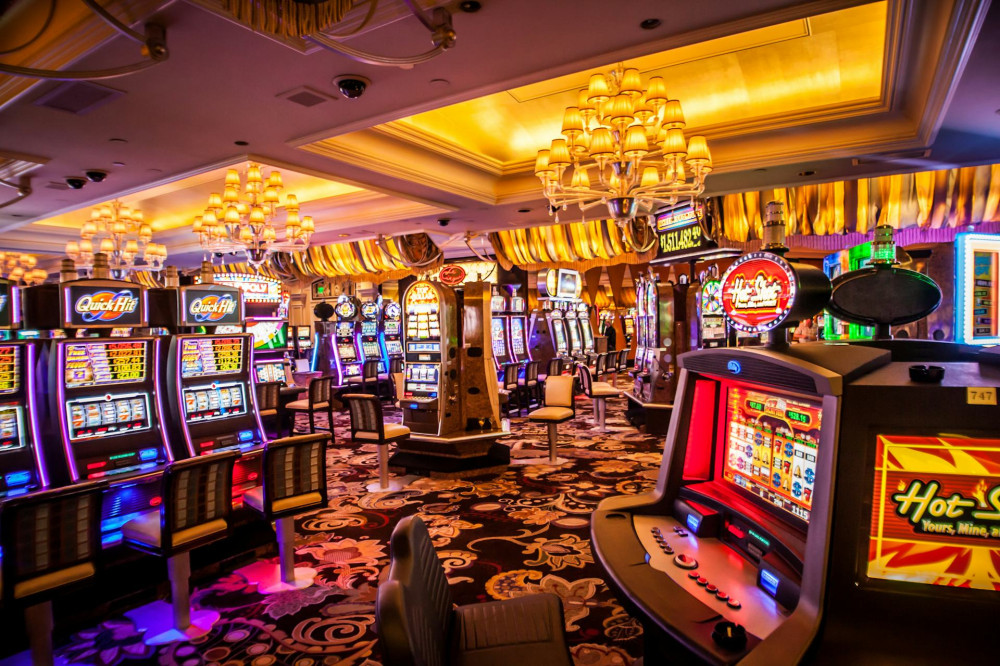
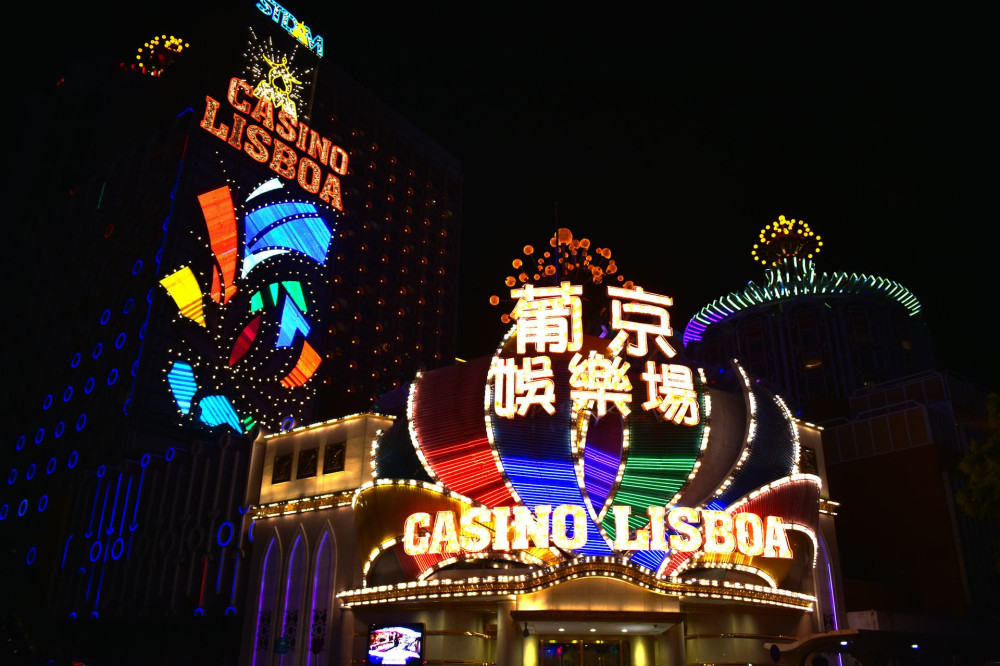
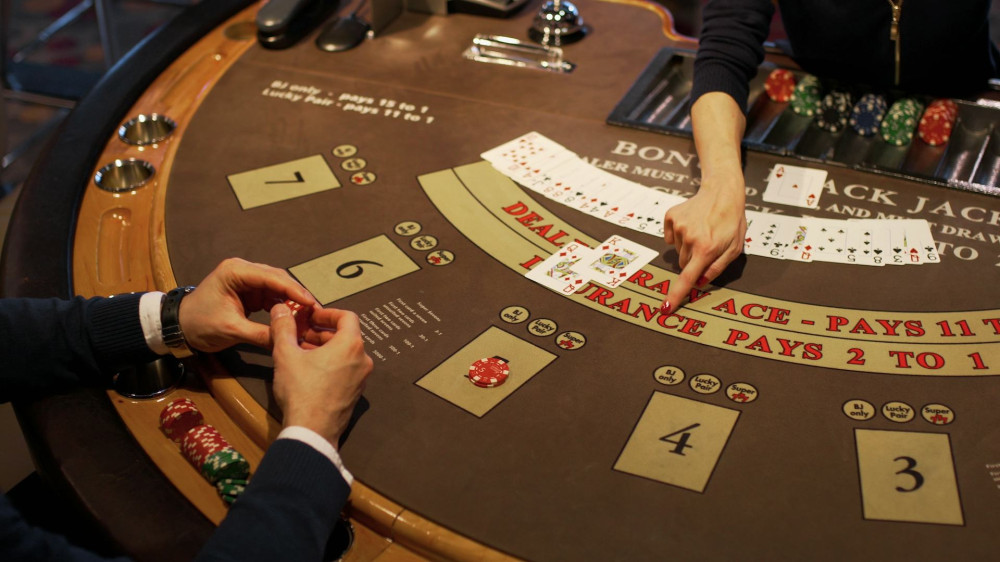
The casino industry has always been more than a place to win or lose money. It mirrors society’s views on risk, leisure, and morality. From the glittering gaming floors of Las Vegas to the online platforms accessible from a smartphone, the evolution of the industry reveals how we, as a society, approach entertainment, technology, and responsibility.
From Exclusive Luxury to Mainstream Entertainment
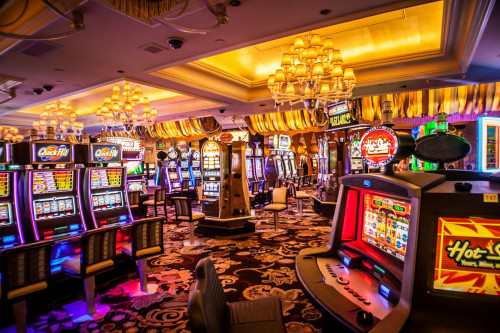
Historically, casinos were reserved for the elite. They were associated with glamour, sophistication, and a touch of decadence. Gambling was a social event – part of a lifestyle that signalled wealth and refinement. Today, the picture is very different. Online casinos and electronic gaming machines in pubs and clubs have made gambling accessible to almost everyone, changing both the character and the reputation of the industry.
What was once a symbol of luxury has become part of everyday entertainment culture. For many, gambling is less about winning big and more about excitement, experience, and social connection. Yet this democratisation of gambling has also raised new questions about responsibility and harm.
The Role of Technology in Transformation
Digital technology has revolutionised the casino industry. With smartphones and high-speed internet, people can gamble anywhere, anytime. This has made gambling more convenient – but also more invisible. Where once you had to walk into a casino, now you can play from your living room without anyone noticing.
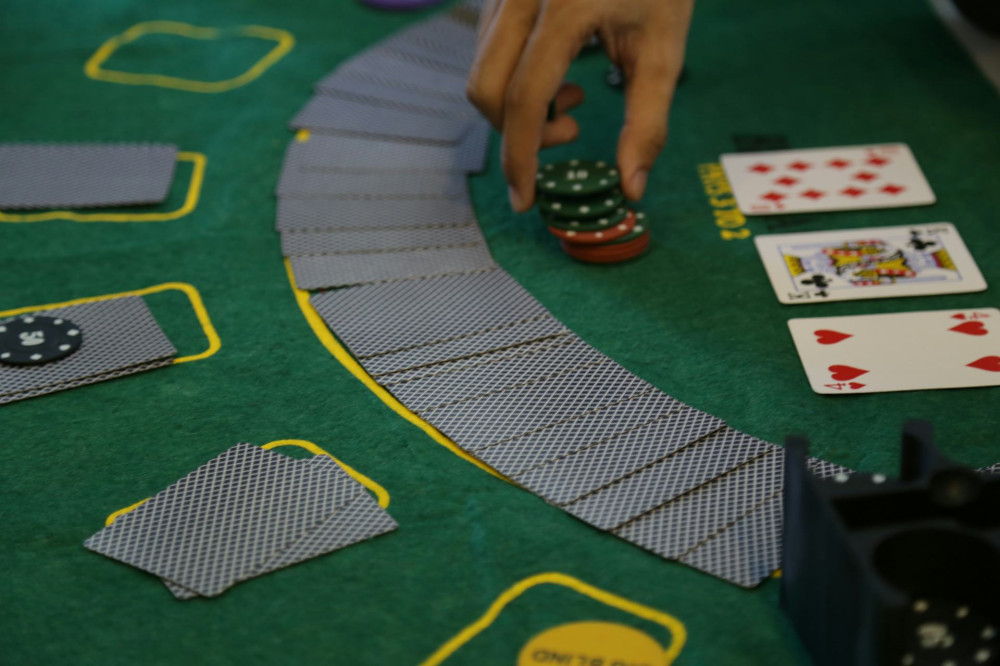
Technology has also created new forms of gaming experiences. Live casinos, virtual tables, and gamified platforms blend elements of video games and social media. This reflects a broader cultural trend in which the boundaries between entertainment, technology, and commerce are increasingly blurred.
Morality, Responsibility, and Regulation
As gambling has become more widespread, the debate about responsibility has intensified. Where is the line between harmless fun and harmful behaviour? In New Zealand, as in many other countries, regulation plays a key role. The Gambling Act 2003 and the work of the Department of Internal Affairs aim to ensure that gambling is fair, transparent, and socially responsible. Advertising is restricted, and operators are required to promote harm minimisation and self-exclusion options.
These measures reflect a societal understanding that gambling is not just a private choice but a public concern. The balance between personal freedom and social protection is delicate. Just as with alcohol or tobacco, the question remains: how much responsibility lies with the individual, and how much with the industry?
Læs også:



Gambling as a Cultural Phenomenon
Casinos and gambling have long held a place in popular culture. Films, television, and music have portrayed the casino as a symbol of risk, glamour, and the dream of instant wealth. But as society becomes more aware of issues like inequality and mental health, the narrative is shifting. Today, gambling is often framed less as a path to fortune and more as a form of entertainment that requires balance and awareness.
In New Zealand, gambling also intersects with community and culture. Many local gaming venues contribute a portion of their profits to community projects, sports clubs, and charities. This dual role – as both a source of entertainment and community funding – highlights the complex relationship between gambling, society, and social good.
A Mirror of Our Time
The casino industry tells the story of a society in transition. It reveals how we deal with temptation, technology, and responsibility – and how our understanding of entertainment continues to evolve. Where gambling was once a symbol of exclusivity and excess, it is now a reflection of accessibility, digital culture, and individual choice.
The question is no longer whether we gamble, but how we do it – and what that says about us as a society. In that sense, the casino industry is not just a business, but a mirror reflecting our values, habits, and hopes in an age defined by both opportunity and restraint.
Læs også: