The Brain and Gaming: Why We Struggle to Stop in Time

The Brain and Gaming: Why We Struggle to Stop in Time
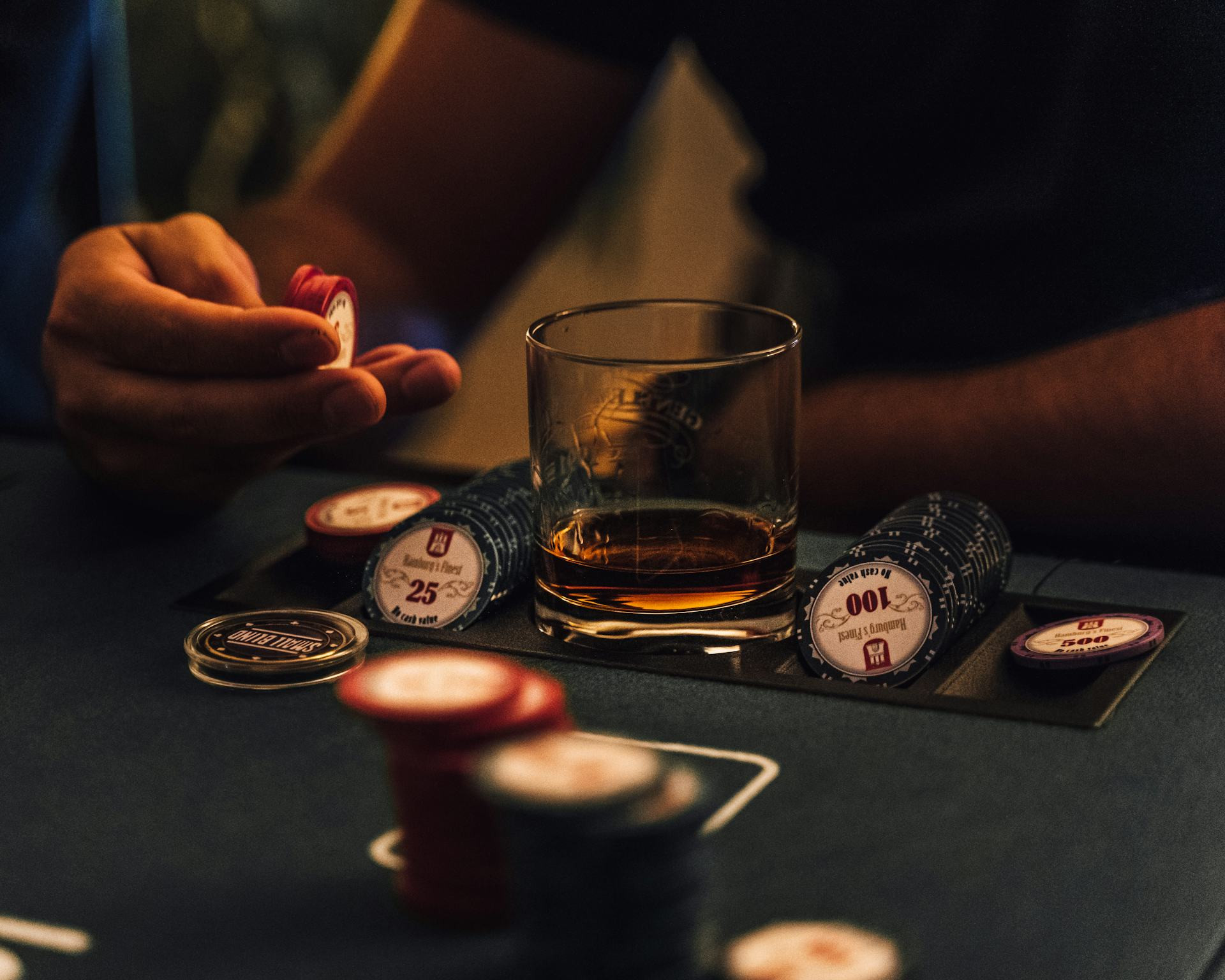
You probably know the feeling: you’ve been gaming longer than you planned. You were about to stop, but then came one more round, one more “almost win,” or a bonus that pulled you back in. It’s not a coincidence. Games – whether online, on your phone, or in a casino – are designed to trigger some of the brain’s most powerful reward mechanisms. But why is it so hard to stop in time, and what exactly happens in the brain when we play?
The Reward System – The Brain’s Engine for Motivation
When we play, the brain releases dopamine – a chemical messenger linked to anticipation, motivation, and pleasure. Dopamine makes us feel good, but interestingly, it’s not just released when we win. In fact, dopamine levels rise most when we expect a reward, not necessarily when we get it.
That means the excitement and uncertainty of the game can be just as stimulating as the win itself. Every time we hit “play again,” the brain hopes that this time will be the big one. It’s that sense of anticipation that keeps us hooked.
The Power of the “Almost Win”
One of the most effective psychological tricks in gaming is the “near miss.” That’s when you come close to winning – maybe two matching symbols instead of three, or a jackpot reel that stops just one space short.
The brain reacts to a near miss almost as if it were a win. Dopamine is released, and you feel like success is within reach. This creates an illusion of progress and motivates you to try again. To the brain, it feels like you’re getting closer – even though the outcome is completely random.
Læs også:


Variable Rewards – The Unpredictable Temptation
Games often rely on what researchers call variable reinforcement. This means rewards come unpredictably – sometimes quickly, sometimes after a long wait. That unpredictability makes gaming extremely compelling.
The same principle is used in social media, where you never know when you’ll get a “like” or a comment. The brain loves this uncertainty because it keeps the reward system active. That’s why you can keep playing even when you know, rationally, that the odds of winning are small.
The Illusion of Control
Many players feel they can influence the outcome – by choosing certain numbers, pressing the button at the “right” moment, or following a lucky pattern. This illusion of control gives a sense of mastery, even though the game is based on chance.
Research shows that this illusion increases engagement and makes people play longer. It simply feels better to believe we have influence – even when we don’t.
When the Brain Loses Perspective
When the dopamine system is repeatedly activated, the brain starts to associate gaming with strong feelings of reward. Over time, the game can take up more mental space, pushing aside other activities that once brought joy.
That doesn’t necessarily mean someone is addicted, but it can be a sign that balance is slipping. The brain learns that “game = reward,” and that can make it hard to stop, even when you want to.
Taking Back Control
Understanding how the brain responds to gaming is the first step toward playing more consciously. Here are some ways to keep control:
- Set a time limit before you start playing – and stick to it.
- Decide on a budget and never spend more than you can afford to lose.
- Take breaks – they give your brain time to reset and reduce the urge to keep going.
- Notice your emotions – are you playing for fun, or to escape stress or worry?
- Reach out for support if gaming starts to take over. In New Zealand, free and confidential help is available through services like Gambling Helpline Aotearoa (0800 654 655) and 1737 Need to Talk? (text or call 1737).
Gaming can be exciting and entertaining, but it takes awareness to keep it healthy. The brain is easy to tempt – but with knowledge and self-control, you can stay in charge.
Læs også: